


Everybody wants to talk about microphones.
"What mic are you using?"
"What's the best condenser?"
"Do I need to spend a thousand dollars?"
Hell, that's usually the wrong question to ask.
You can own the finest microphone money can buy, but if you're recording in a room that sounds like a concrete slab or an empty kitchen, your recording is still gonna suffer. A fancy microphone can't fix a bad room. In fact, it makes the problem worse.
Here's why.
Technology done come a long way. These days, you can spend two or three hundred bucks and buy a condenser microphone that'll sound incredible. That's a blessing... and a curse.
Those microphones are so sensitive they'll hear everything. They'll hear your air conditioner humming. They'll hear the truck rolling down the road. They'll hear your dog scratching at the door. Hell, they'll hear sound bouncing off every wall, floor, and ceiling in the room. If your space aint treated, that microphone is faithfully recording every bit of that mess.
People think an expensive microphone automatically means a better recording.
Sometimes it means a much worse one.
That's why an old workhorse like a Shure SM57 or SM58 can beat a fancy condenser in a regular room. Dynamic microphones don't pick up nearly as much unwanted sound. They stay focused on your voice instead of listening to the whole damn house.
Over the years, I've been in a few studios. Truth is, I've seen very few rooms that actually justified owning high-end studio microphones.
The best recording spaces I've ever been in weren't fancy commercial studios. They were properly designed rooms. Colleges sometimes have excellent isolation booths. I've seen a good one at the public library in Huntsville Al. Radio stations have built treated rooms for decades because they know the room matters just as much as the gear.
Most home studios? Not even close.
So before you empty your wallet chasing the next shiny microphone, spend some time looking around the room you're recording in.
That's where your recording really begins.
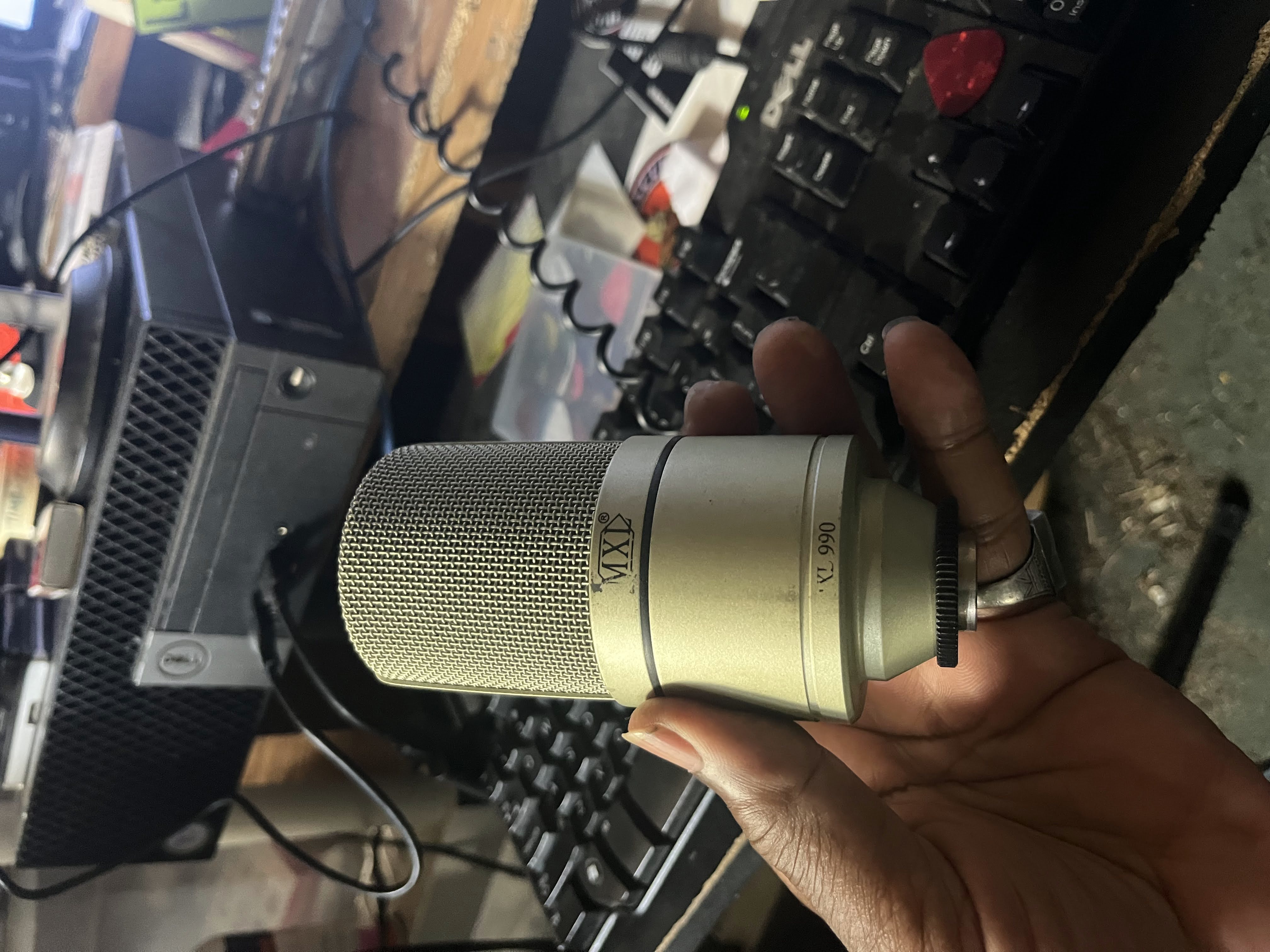
If you're a Fat Mule artist, here's what I'd tell you.
Forget about treating the whole room if you can't afford it. Start with the space around the microphone. Control what's in front of it. Control what's behind it. Stop the sound from bouncing straight back into the mic. Hang thick blankets if you have to. Use moving pads. Fill the room with furniture instead of empty walls. Get creative.
Then pay attention to the outside world.
Record when the train isn't coming through town. Wait until your neighbor finishes mowing the yard. Turn off the air conditioner for a few minutes if you can. Little things make a hell of a bigger difference than buying another expensive piece of gear.
The blues was never about having perfect equipment.
It was about making the most out of what you had.
Your room is part of your instrument.
Learn it. Listen to it. Respect it.
Because at the end of the day, a humble microphone in a well-planned room will whip the hell out of a thousand-dollar microphone in a bad one.
What have you discovered about your recording space? Have you found a trick that made your recordings sound better without spending a lots of money?